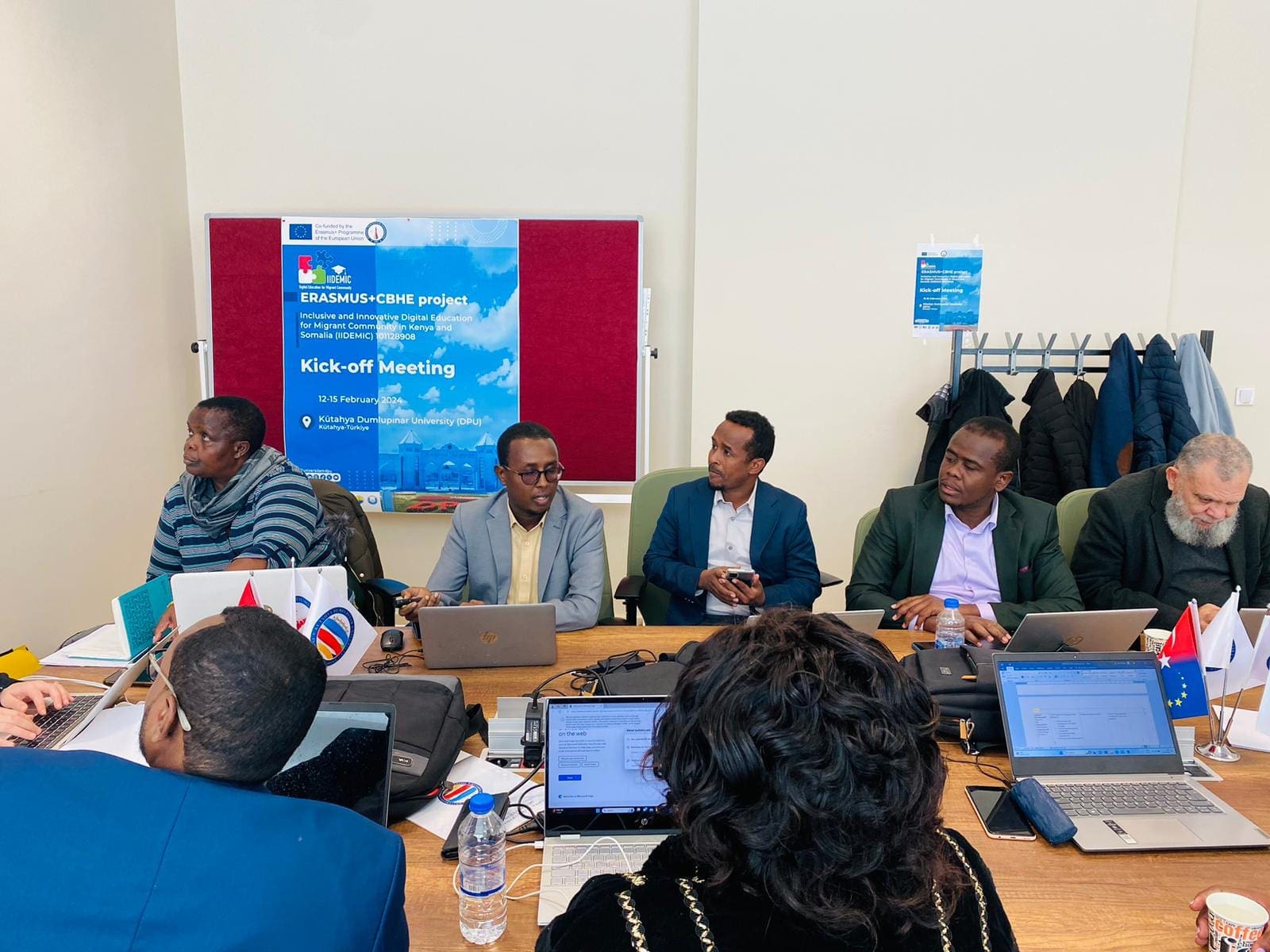
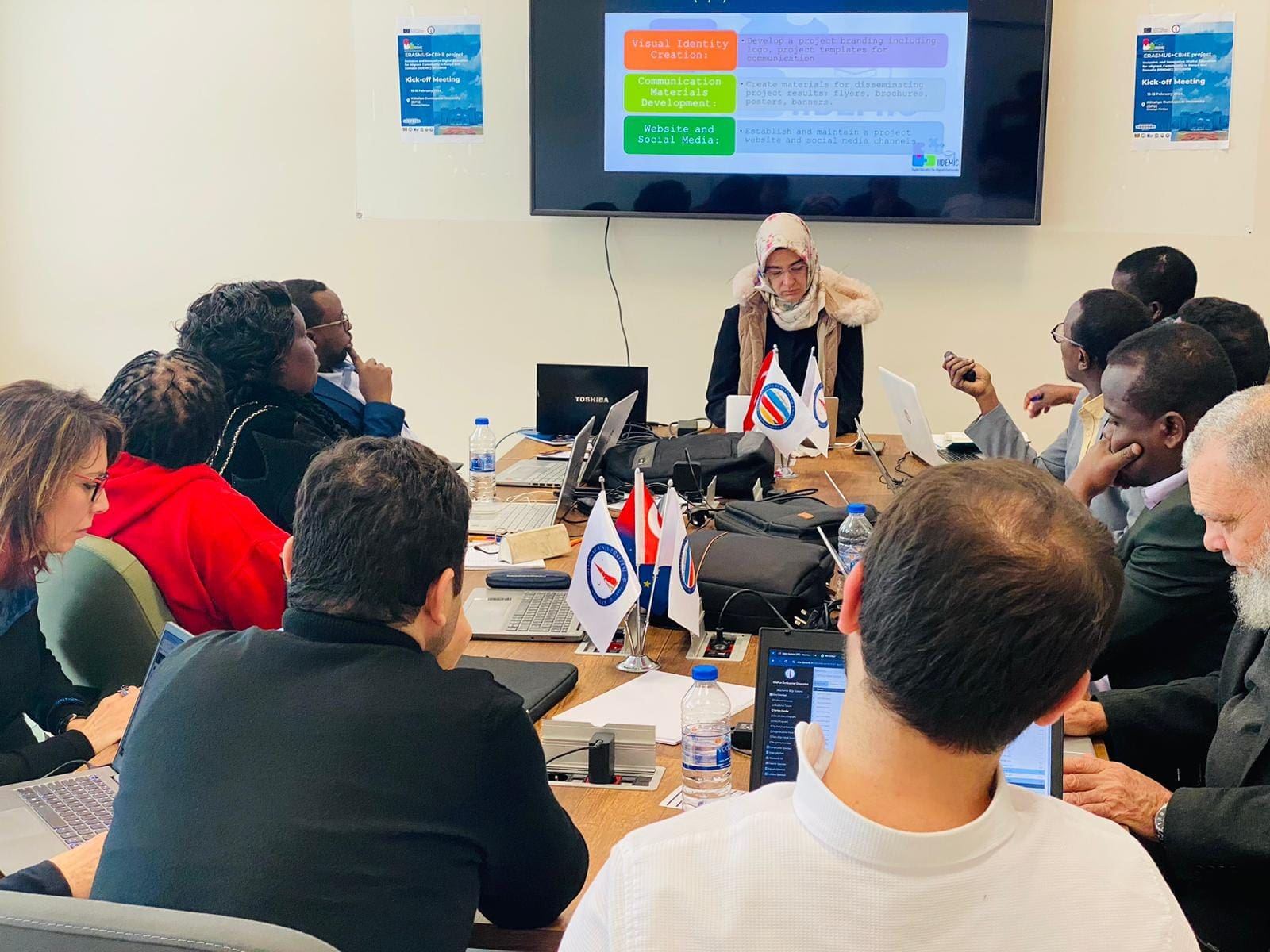
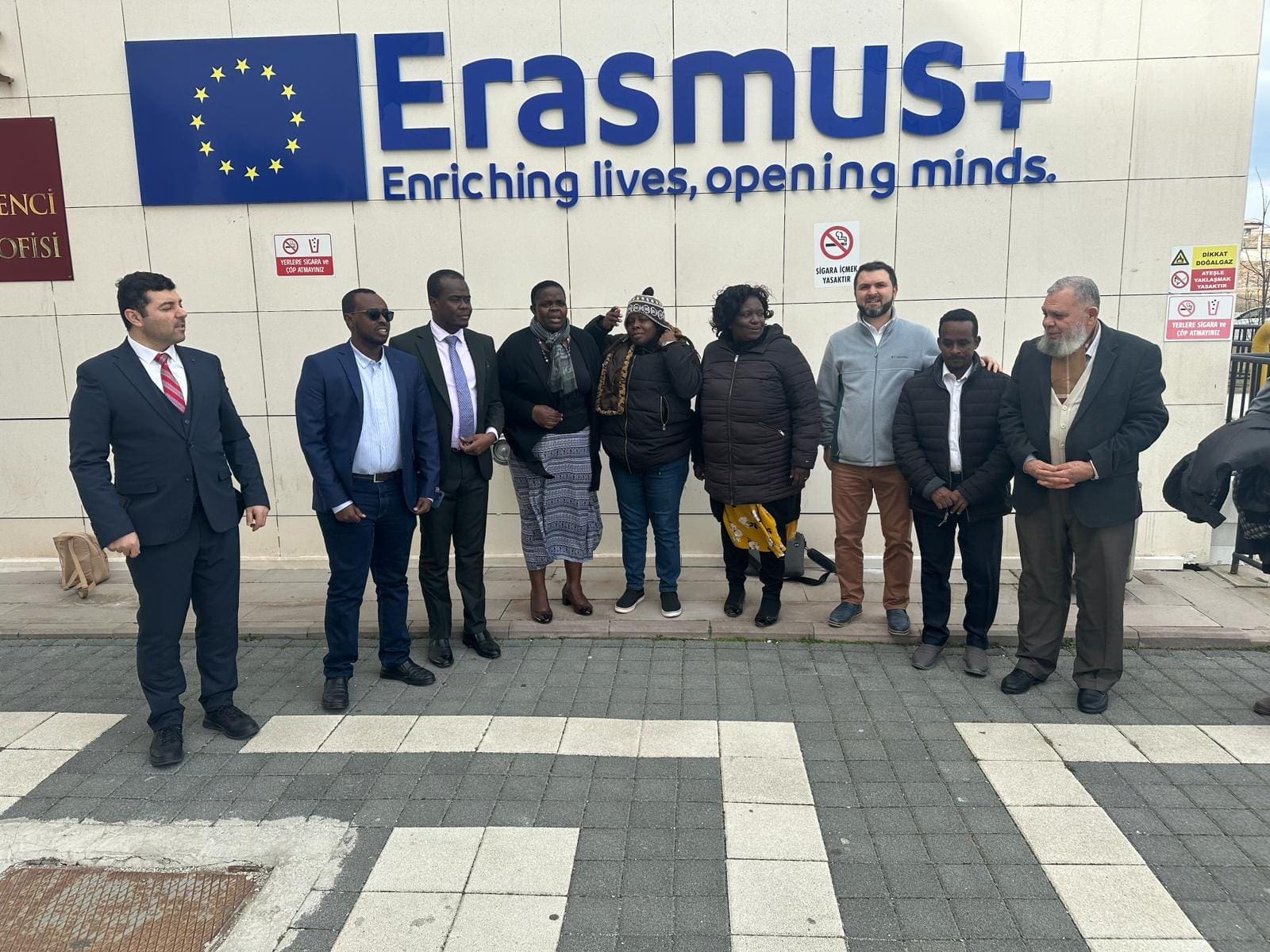
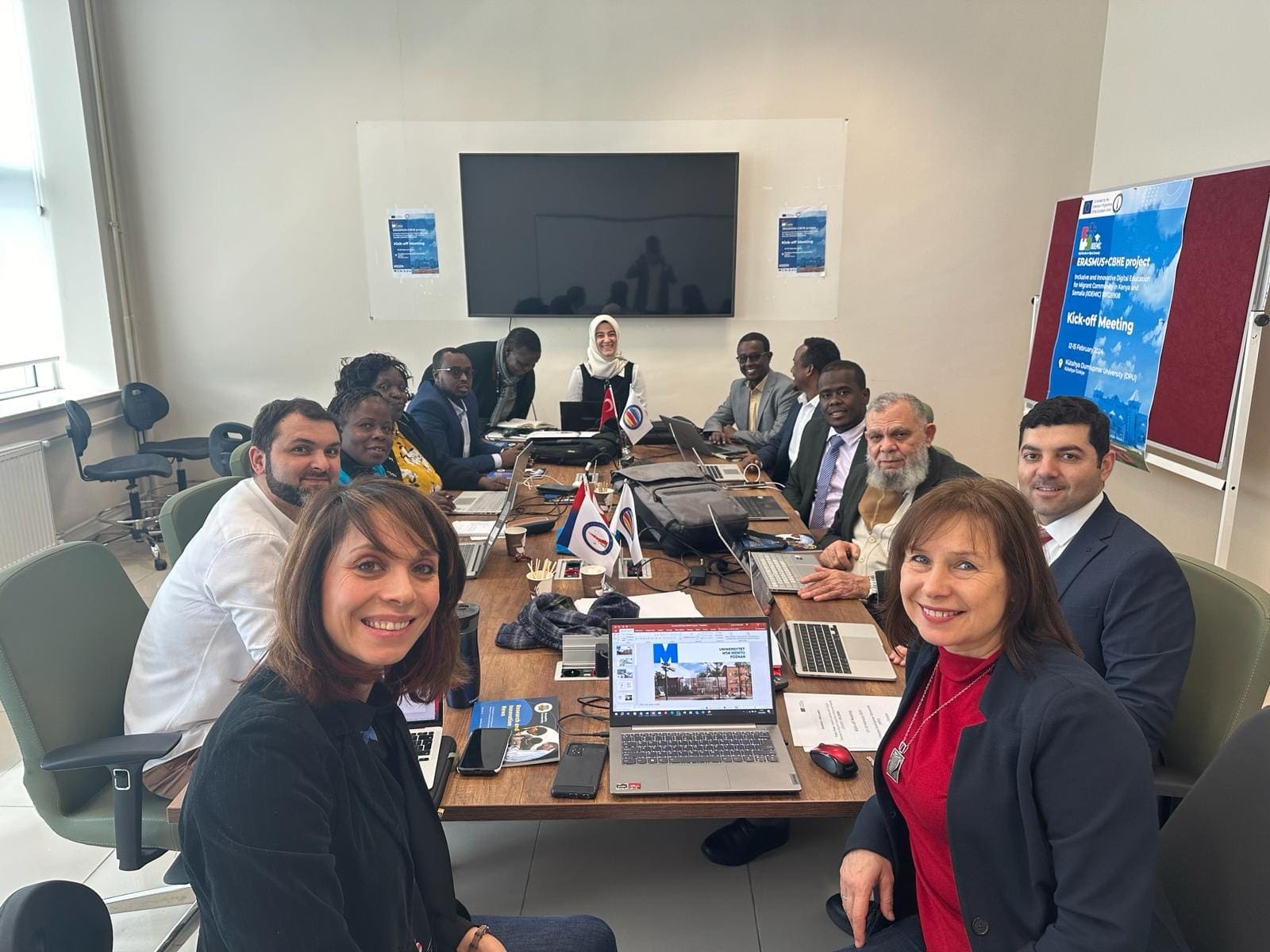
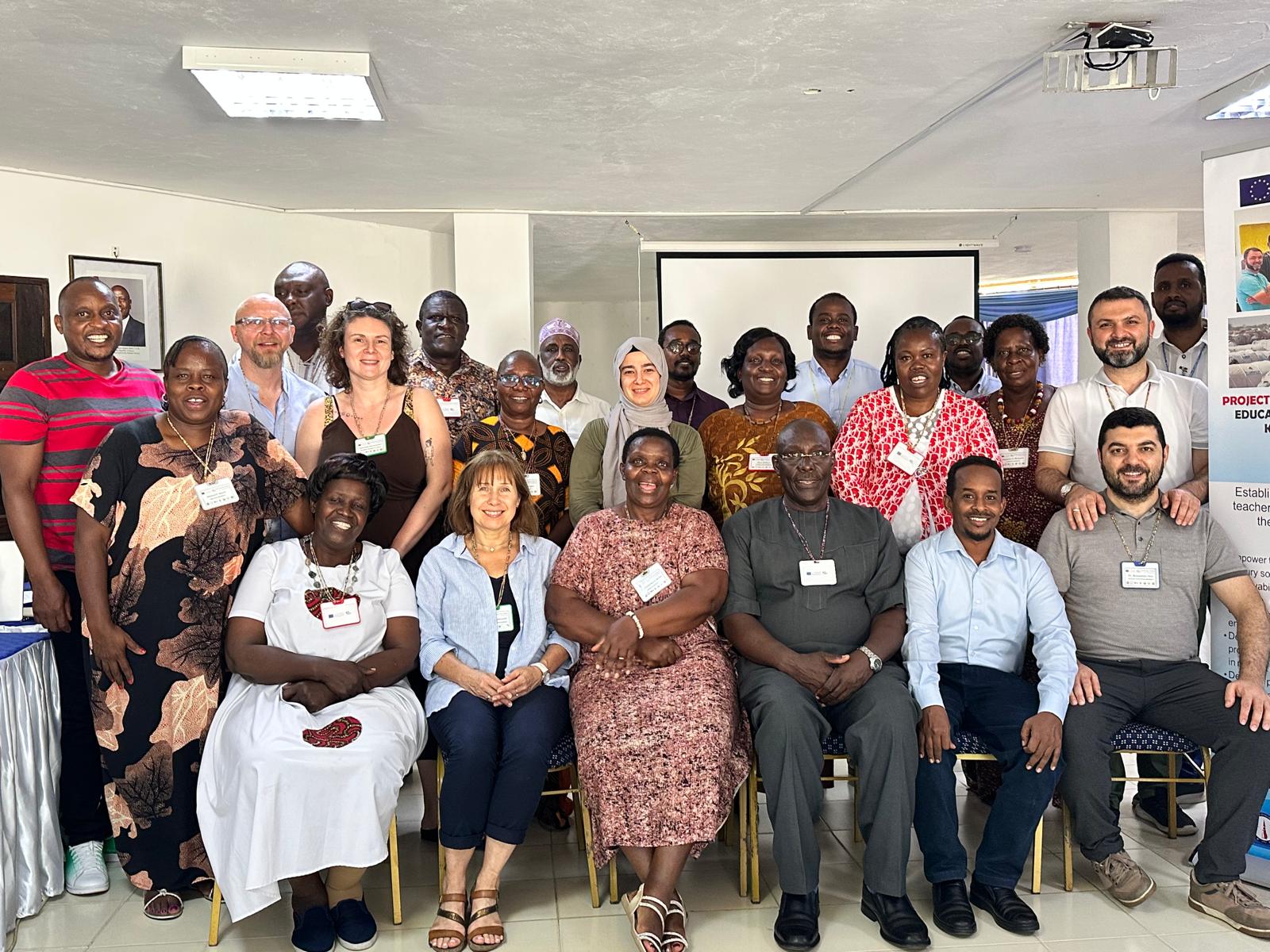
The IIDEMIC Project addresses a critical gap in employability among Somali refugees in Kenya and internally displaced persons (IDPs) in Somalia by strengthening soft skills and digital competencies. Aligned with the UN Sustainable Development Goals and the African Union’s Agenda 2063, the initiative promotes inclusive, skills-based, and digitally supported learning environments.
At its core, IIDEMIC focuses on empowering Somali refugee and migrant community teachers by enhancing their digital literacy, entrepreneurial potential, and teaching practices. A key component is the integration of soft skills training into both in-service teacher education and university-level programs.
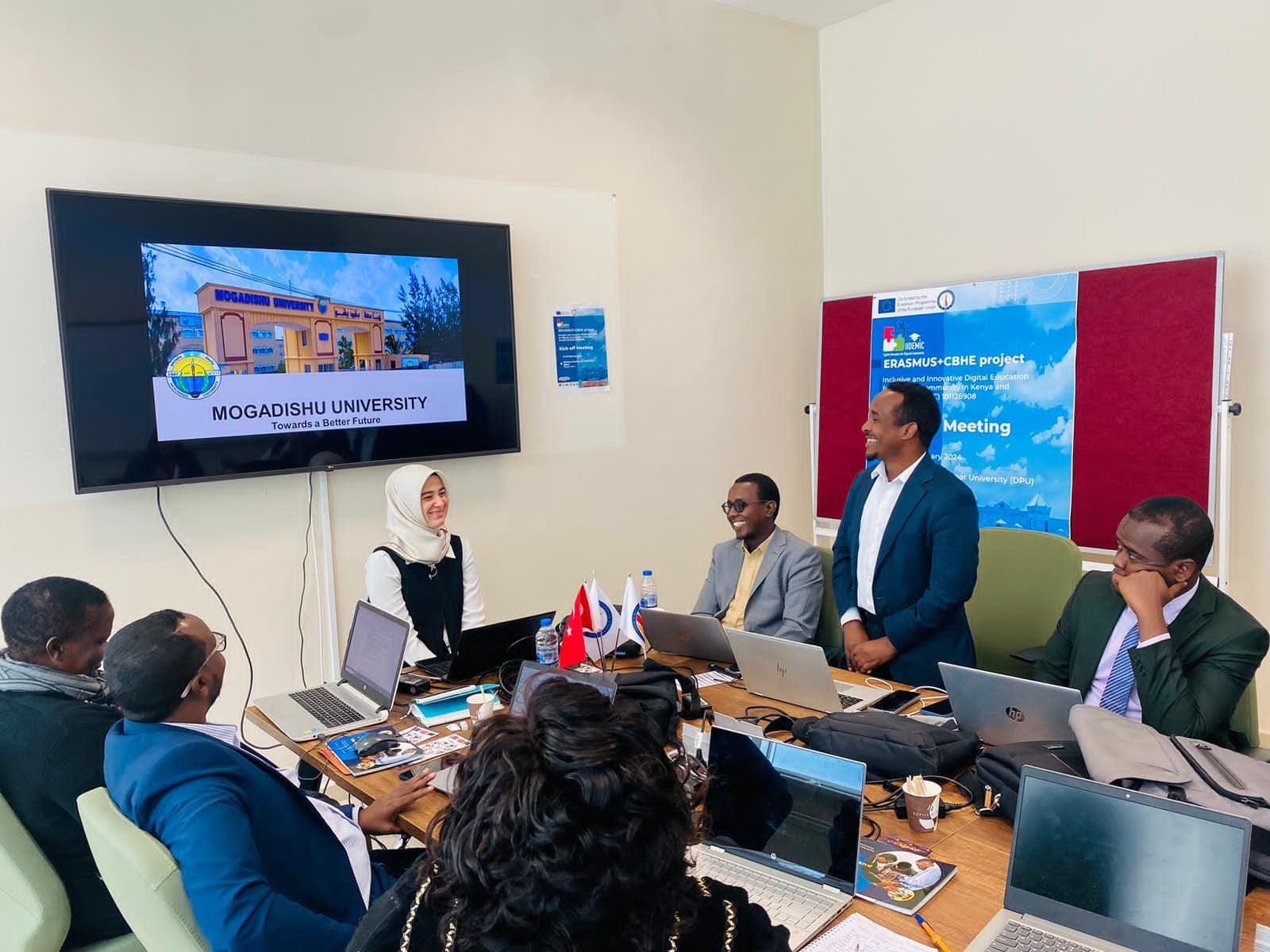
Training is delivered via a digital platform, ensuring accessibility for teachers from refugee, displaced, and host communities. Mogadishu University is an active member of the implementing consortium. The IIDEMIC project is a collaborative effort involving six universities in Kenya, Türkiye, Poland, and Somalia, co-developing context-sensitive, high-quality education solutions tailored to the needs of displaced and marginalized educators.
Duration:
January 2024 – December 2026
Co-Funded by:
ERASMUS – European Education and Culture Executive Agency
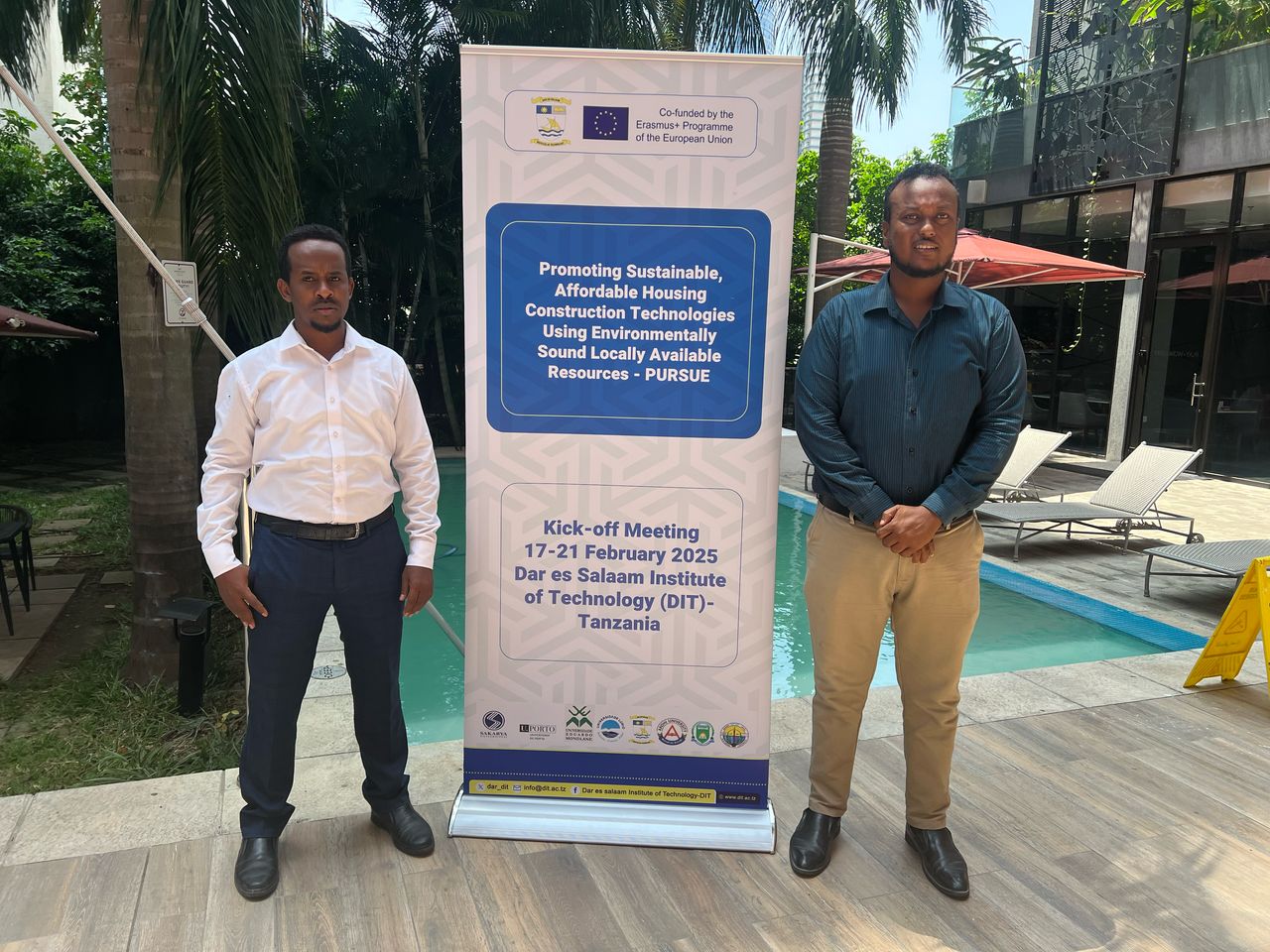
Mogadishu University is proud to be a key partner in the international PURSUE Project, an ambitious initiative funded by the Erasmus+ Programme of the European Union.
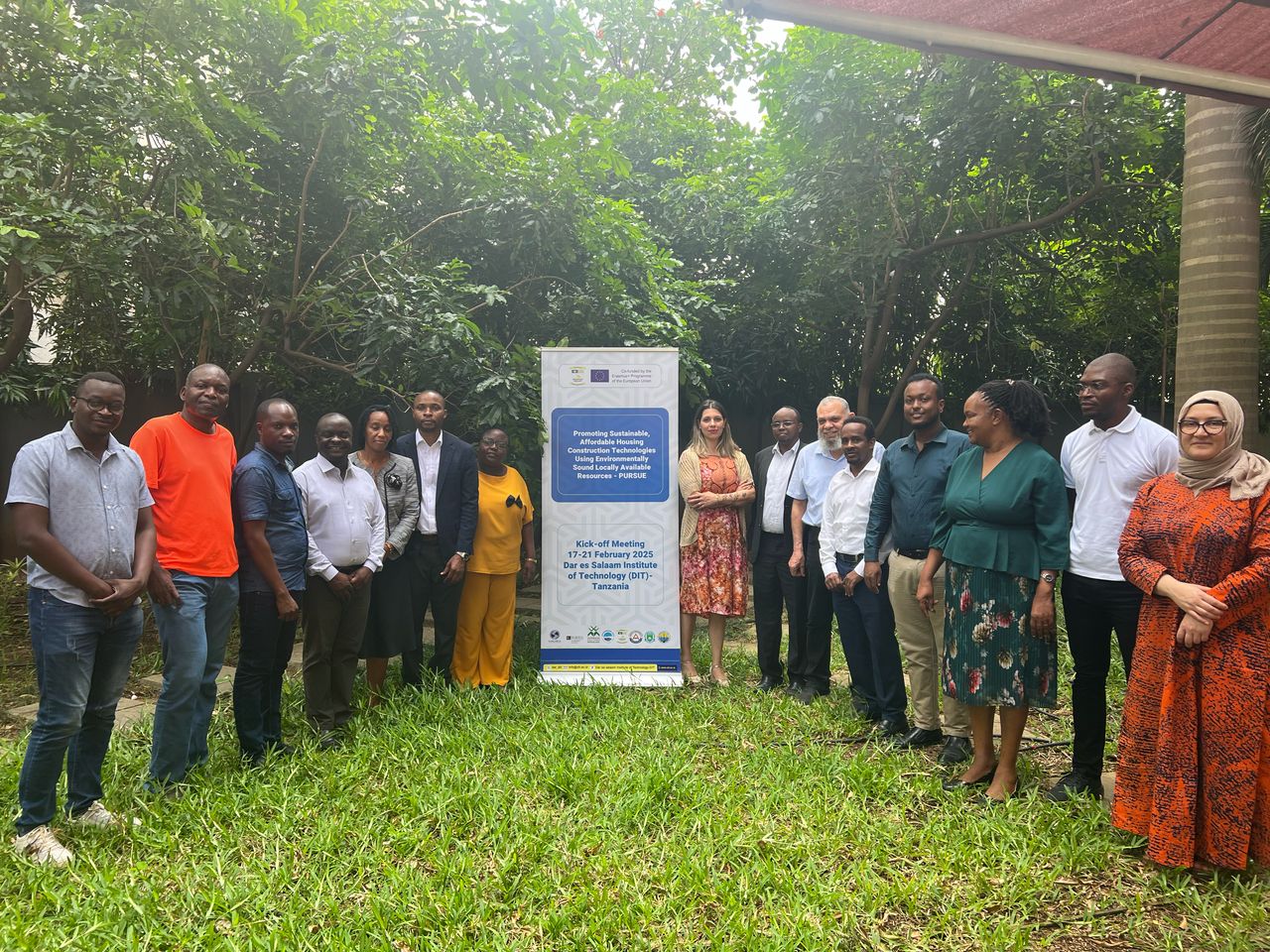
The mission of PURSUE is to address the critical need for durable, affordable housing in Somalia and across Sub-Saharan Africa by harnessing innovative, eco-friendly, and cost-effective construction technologies that utilize locally available materials.
The PURSUE project is a strategic investment in the future of Somalia’s built environment. Through a powerful collaboration between eight universities from Türkiye, Portugal, Mozambique, Tanzania, and Somalia, the project focuses on:
Co-Funded by:
ERASMUS – European Education and Culture Executive Agency
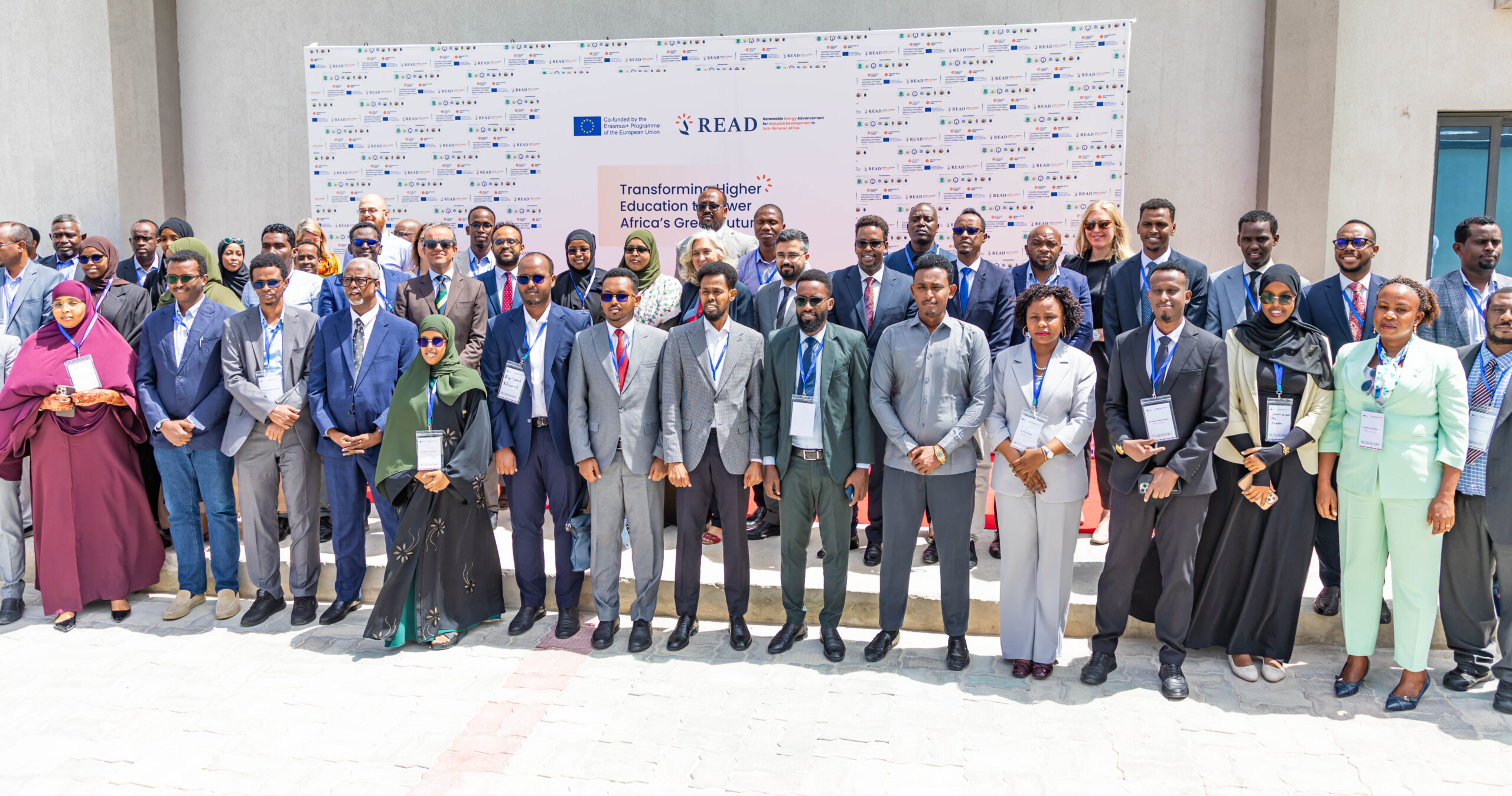
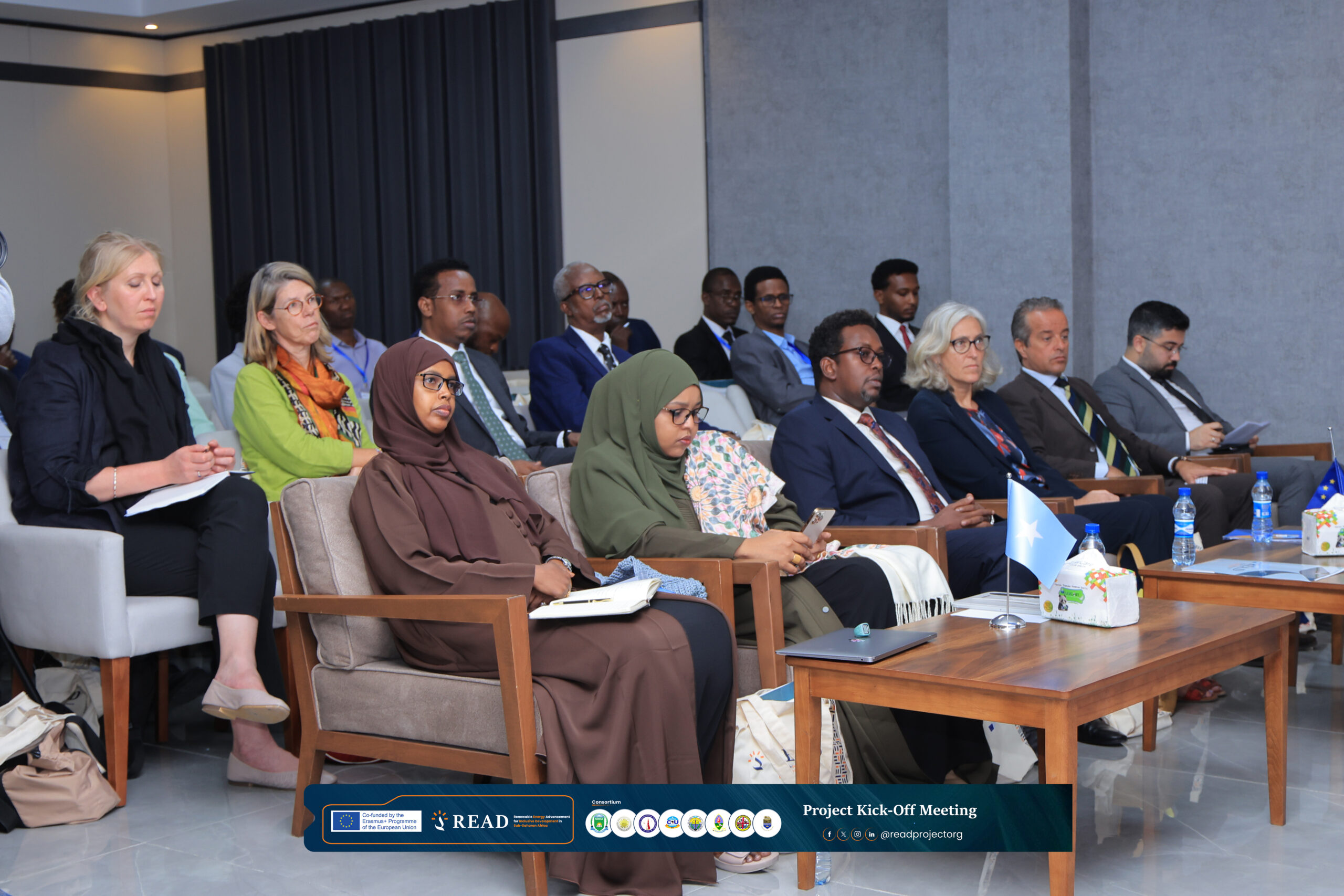
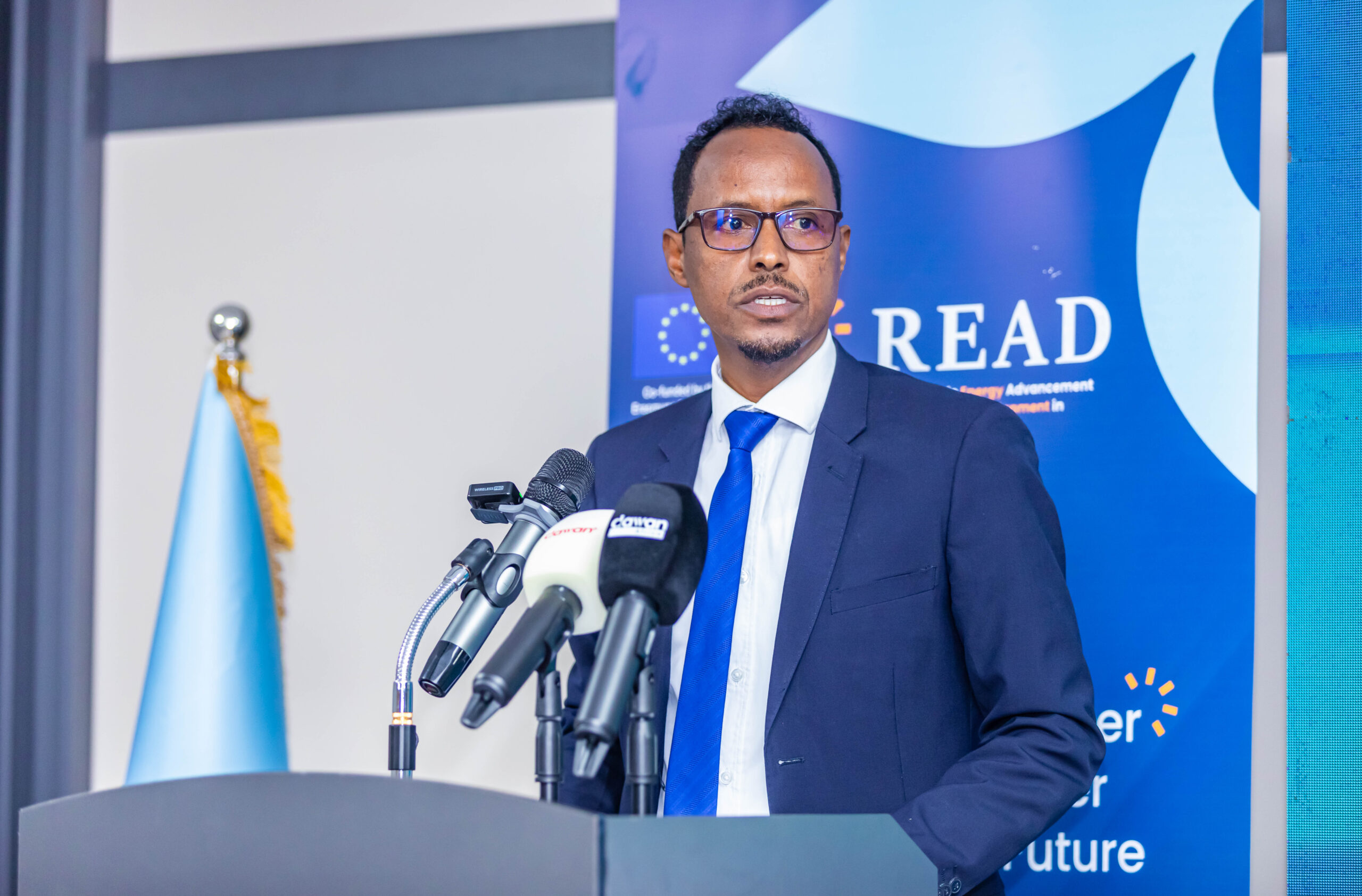
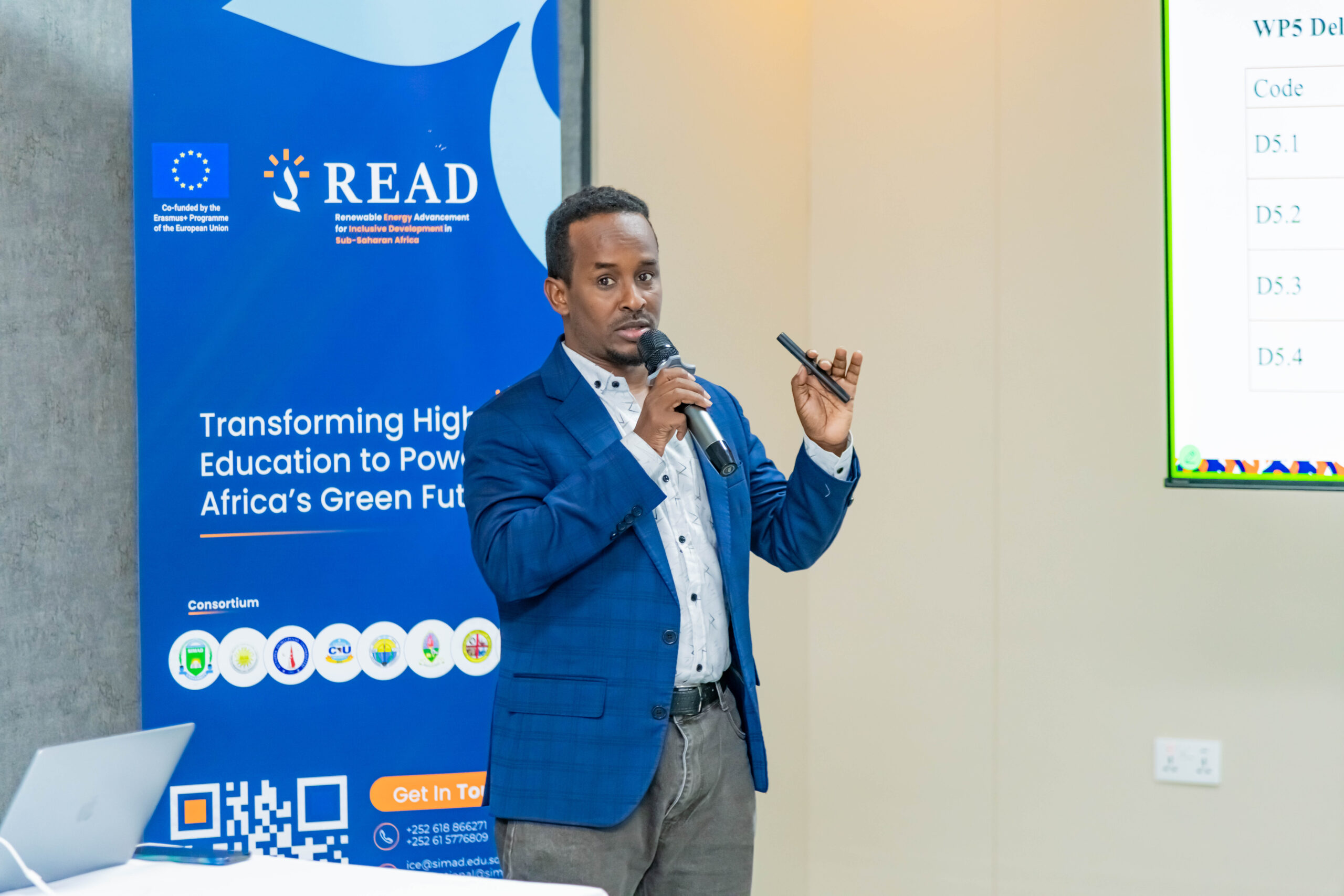
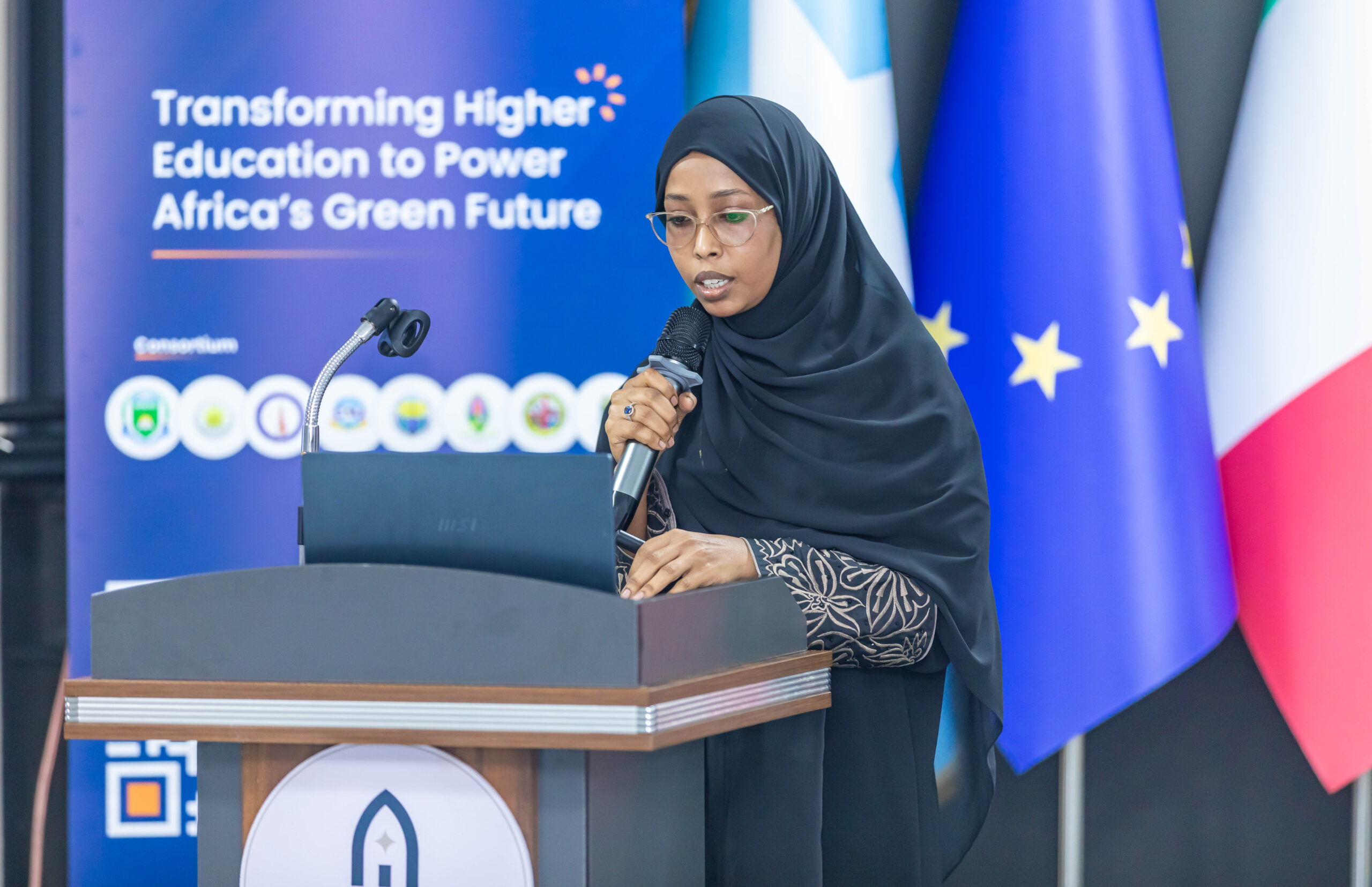
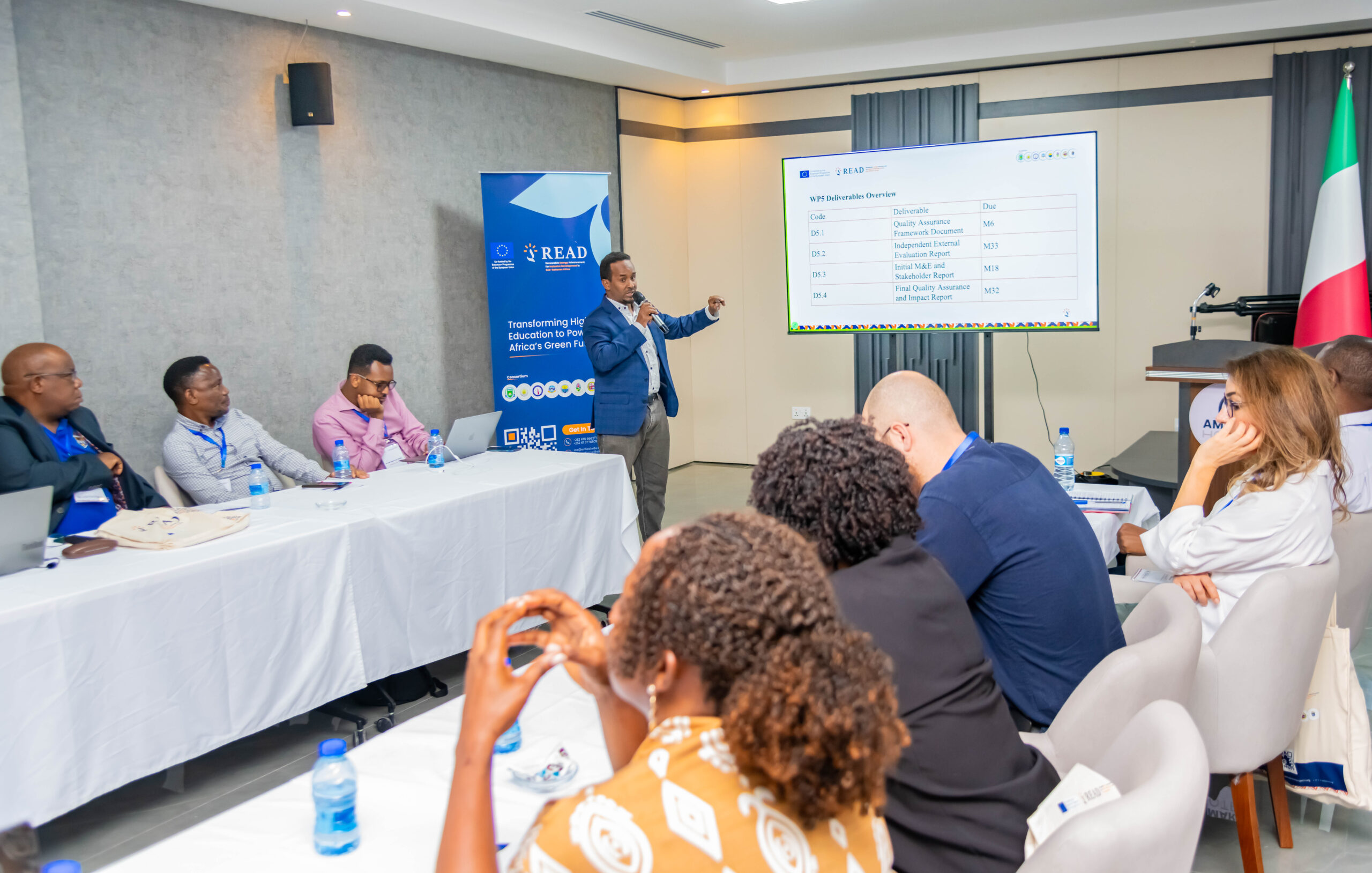
The Renewable Energy Advancement for Inclusive Development (READ) Project is a transformative initiative funded under the Erasmus+ Capacity Building in Higher Education (CBHE) program. The project aims to address the critical energy deficits in Sub-Saharan Africa by bridging the gap between renewable energy education, research, and industry needs.
Its key objectives include:
The project will be implemented by a consortium of eight universities from Somalia, Tanzania, Malawi, Türkiye, and Italy. Mogadishu University is proud of being active member of this consortium and leading the Quality Assurance and Monitoring Work package.
The READ project directly supports Africa’s transition to a sustainable energy future, equipping HEIs and local communities with the knowledge and skills needed to drive the clean energy revolution.
Co-Funded by:
ERASMUS+ Capacity Building in Higher Education (CBHE) program
Mogadishu University is proud to be a partner in the SHAPE Project, a pioneering initiative funded by the European Union under the Erasmus+ Capacity Building in Higher Education program. The project aims to enhance higher education, innovation, and skills development for the creation of smart and sustainable cities across East Africa, with a focus on Kenya, Somalia, Uganda and collaboration with European partners from Estonia, Germany, and Lithuania.
Mogadishu University is an active partner in the SHAPE project, contributing to the development of smart city curricula, research, and capacity-building activities. As a key participant, the university will engage in the creation of educational programs, virtual exchanges with European and African universities, and practical projects aimed at addressing local urban challenges.
Project Timeline:
Start Date: Jun 2026 – End Date: May 2029
Funding Agency:
Erasmus+ Program of the European Union